

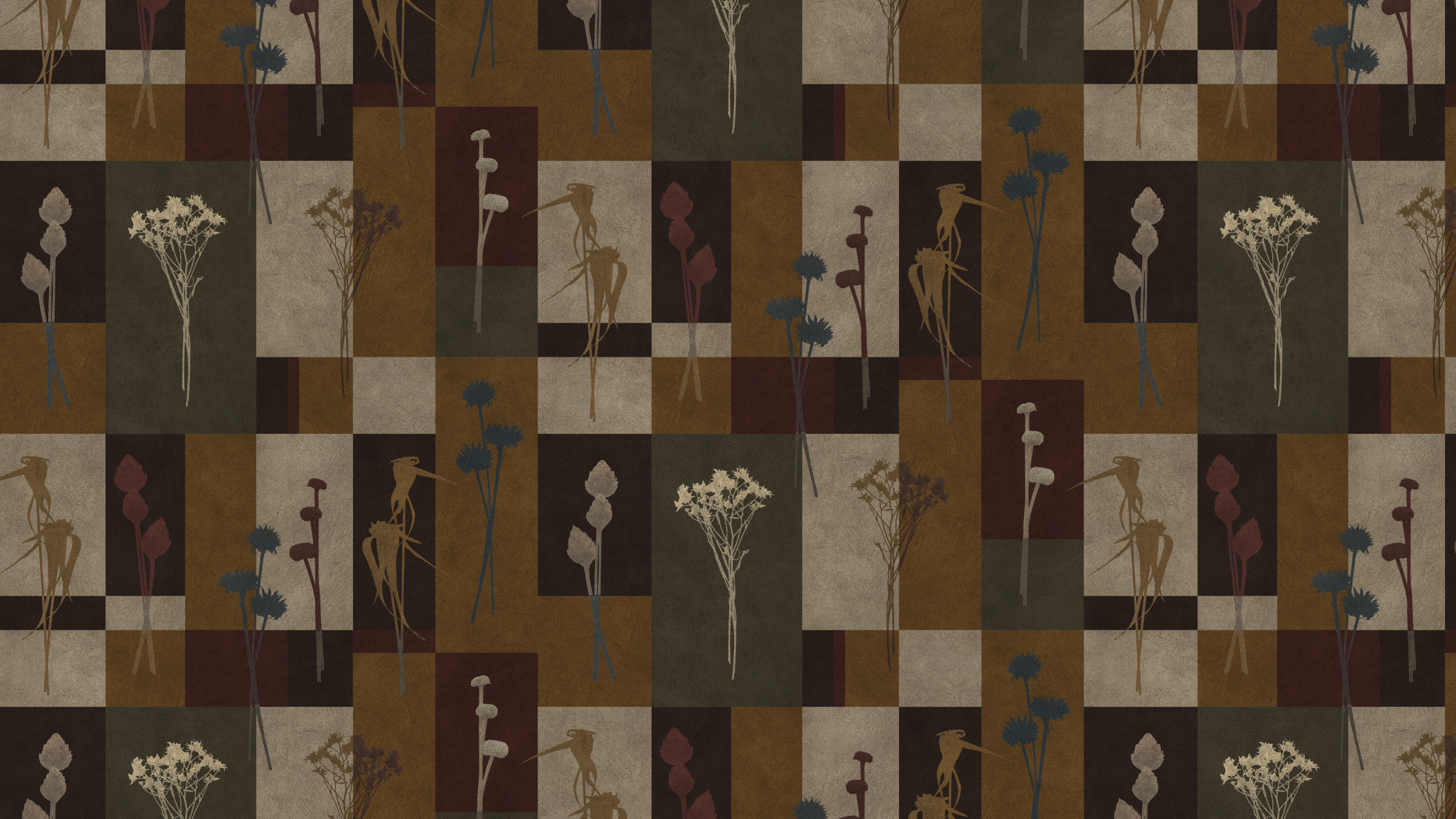
Today’s work focused on two parallel pattern tracks: finalizing a full plaid collection for Spoonflower, and developing a new wildflower collage pattern for the current Spoonflower challenge. Both projects centered on structure, repeat logic, and surface behavior rather than motif illustration alone.
Plaid Collection Finalization
The plaid collection reached completion today, with all designs named, prepared, and published on Spoonflower.
The collection consists of twelve tailored herringbone plaids, each built from the same underlying structure and released as distinct colorways. Color decisions were finalized early to ensure consistency across titles, descriptions, keywords, and future coordinating solids.
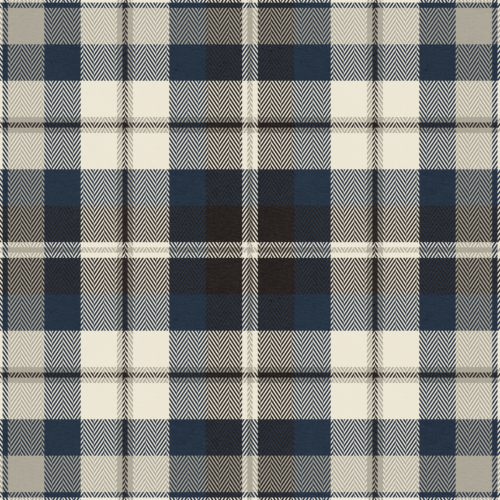
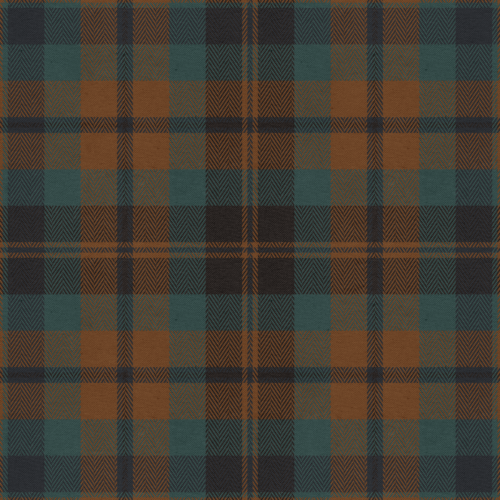
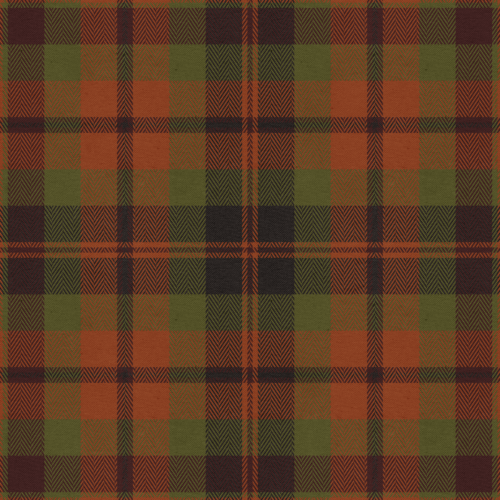
Each plaid was prepared with:
- SEO-forward titles under Spoonflower character limits
- Descriptions written for clarity and interior use
- Strictly compliant keyword sets
- Consistent color language across all listings
Mockups were reviewed directly in Spoonflower to confirm scale, contrast, and repeat behavior at full wall applications.
This phase marked the end of structural and naming decisions for the plaid system.
Wildflower Source Material
Work then shifted to the Spoonflower Wildflower Collage challenge.
The starting point was a set of small dried wildflower bouquets assembled as physical objects. The flowers were photographed and isolated, then treated as raw source material rather than decorative elements.
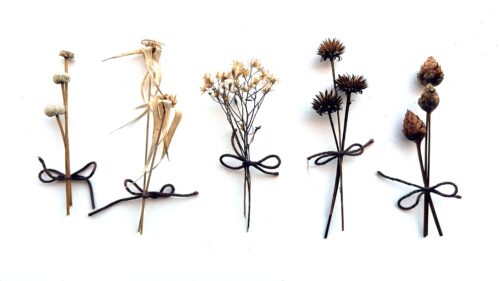
Early decisions included:
- Removing bows to eliminate human or narrative cues
- Prioritizing silhouette shapes over botanical detail
- Preserving surface texture rather than photographic realism
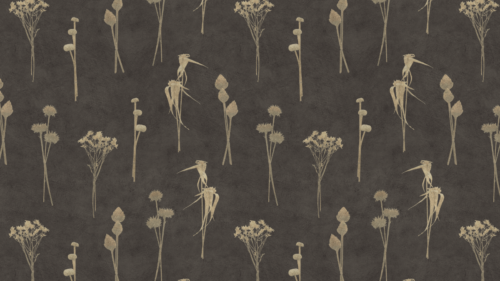
Each floral element was saved as an individual Smart Object to allow for flexible rearrangement throughout the process.
Collage Development
Initial layouts explored all-over silhouette placement, but this quickly revealed a blocky, static feel. To address this, the composition shifted toward a structured collage approach using background blocks.
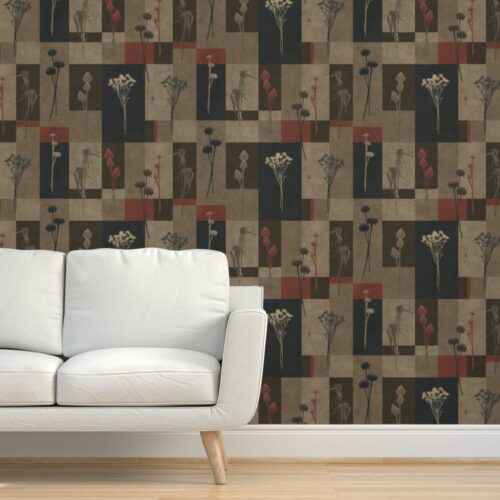
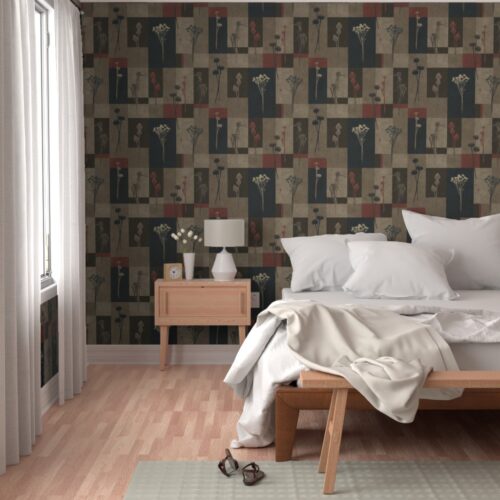
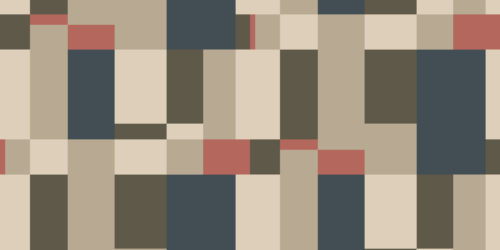
A background system was designed first in Illustrator to establish:
- Scale
- Rhythm
- Half-drop repeat logic
With the background framework resolved, the floral silhouettes were designed to fit the system rather than forcing the background to accommodate the motifs.
A gesso texture was applied to soften edges and push the work away from photography and toward a drawn surface quality.
Repeat and Color Exploration
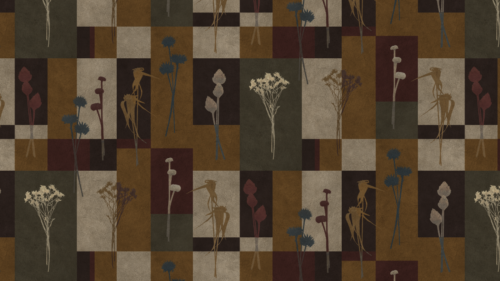
The final collage was converted to a half-drop repeat to further reduce grid rigidity and improve wall-scale flow. The pattern was uploaded to Spoonflower specifically to test the repeat in real-world previews.
To maintain texture while exploring color, each background color was separated in Illustrator and then adjusted in Photoshop. This allowed for controlled color shifts without flattening or losing surface depth.
At this stage, the value relationships feel resolved. Future exploration will focus on how alternate color combinations shift mood, narrative distance, and interior suitability rather than correcting structural issues.
Notes
This entry documents a day focused on system completion and surface testing rather than ideation. The plaid collection is now locked structurally, and the wildflower collage has reached a stable foundation suitable for further refinement or colorway development.
Any future revisions should note changes to color balance, repeat logic, or motif density to preserve continuity across versions.