

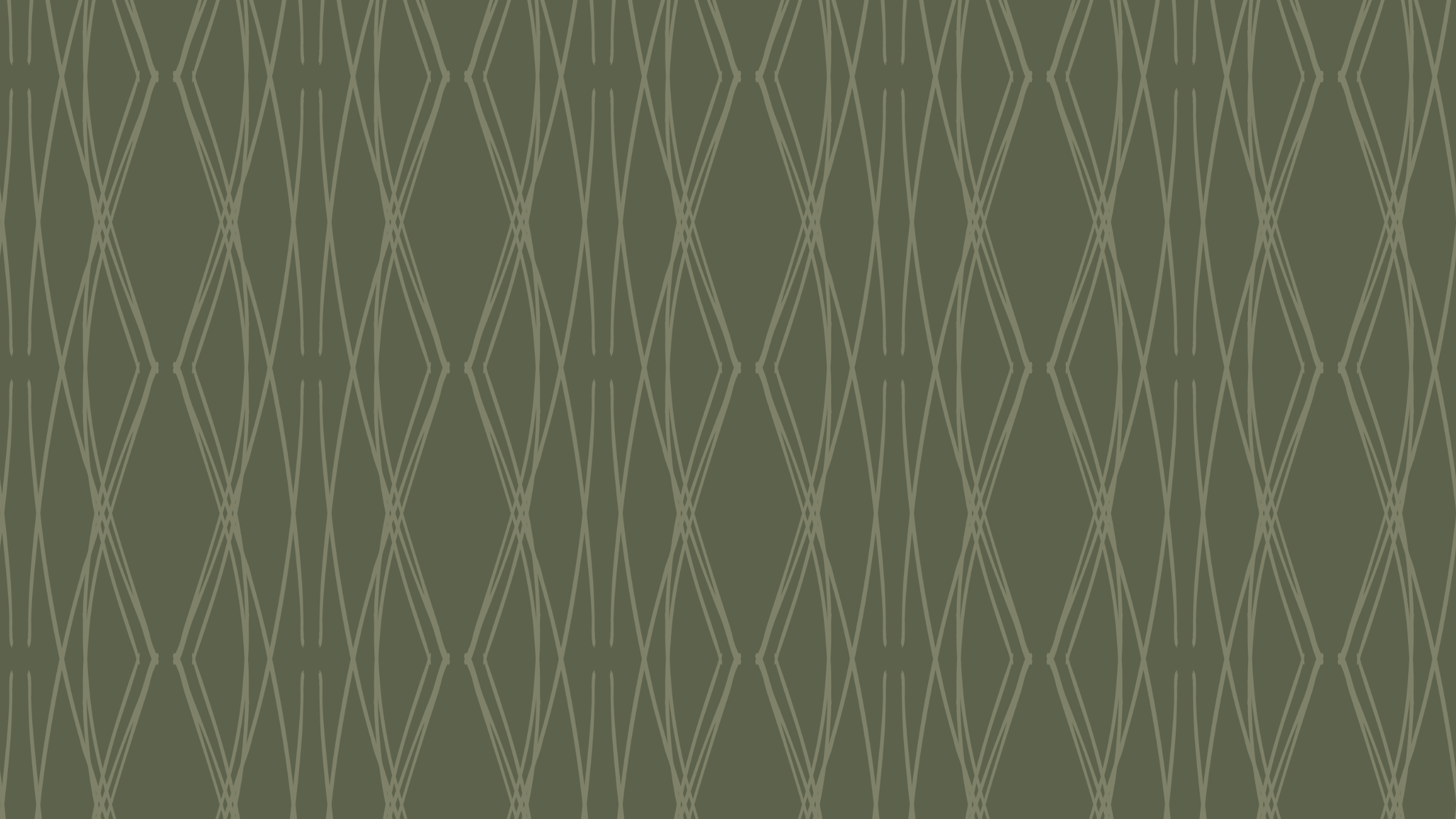
This second pattern started the same way the others did: on a morning walk.
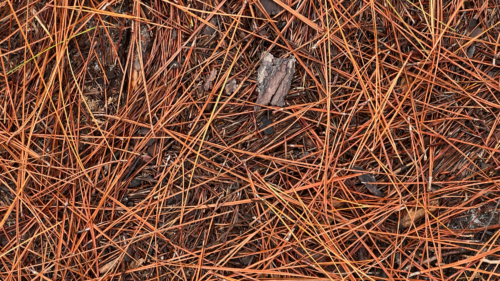
It was gray, and it had rained overnight. We walked at Graham Creek again, mostly on the sandy paths. Before we arrived, I already knew I wanted to work with pine needles that day. I picked up a small handful as soon as we got there.
As we walked, I noticed how the rain had moved the needles around. On the sandy path, they had gathered into loose piles and often lined up side by side. Their shape made that happen naturally. In the grass next to the path, the needles stayed where they fell. The only difference was the surface underneath them.
That contrast became the starting point for the pattern. I wasn’t interested in copying what the needles looked like on the ground. I was interested in how they behaved.
The Artifact of the Day: Pine Needles After Rain
The needles I collected were long and narrow, some joined at a thicker base. By the time I picked them up, they were mostly dry, but their arrangement showed what the rain had done earlier. They moved, aligned, and settled where the sand allowed them to.
Rather than treating the needles as a subject to illustrate, I treated them as raw material.
Early Experiments
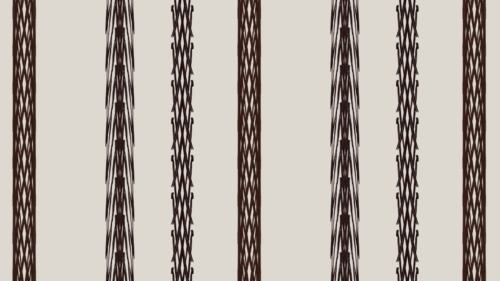
Back in the studio, I started by cutting the needle groups out of their backgrounds. I moved them around digitally to see what kinds of arrangements felt natural. Early versions that stayed close to the forest floor felt too literal and too busy.
I began duplicating and reflecting the needle groups. That added structure and made the compositions feel more complete. At the same time, it was easy to push things too far and end up with something decorative or stripe‑heavy.
Pulling Things Back
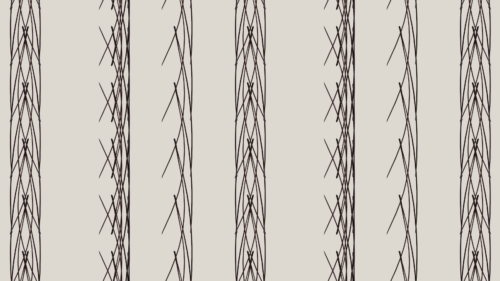
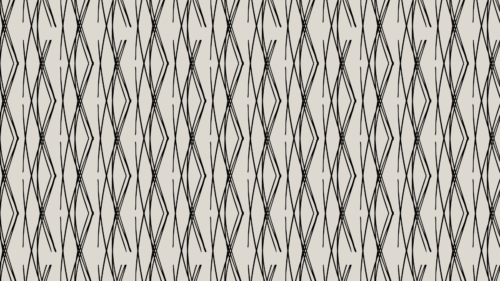
As the pattern developed, I focused on reducing density and slowing the repeat. I expanded the spacing, adjusted the angle slightly, and paid more attention to the negative space. That helped the pattern feel calmer and more usable at a larger scale.
At one point, I switched to a more delicate needle grouping with three needles joined at the base. The thicker cap added a bit of weight and helped define the structure without adding complexity.
Color Decisions
Color was harder to settle. When I sampled colors directly from the walk, the results felt too intense and seasonal. They pulled too much attention.

What finally worked was a monochromatic green. The needles weren’t green that morning, but they used to be. The color felt more like a memory of the material than a description of what I saw, and it let the pattern stay in the background.
Final Pattern
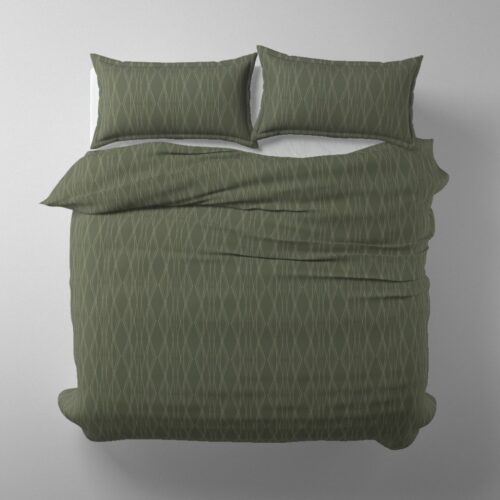
The final pattern reflects every other row vertically and repeats horizontally. The structure is open and even, with enough variation to keep it from feeling rigid. It doesn’t show pine needles on the ground, but it comes directly from watching how they lined up after the rain.

This pattern is part of the larger 100 Pattern Project, which is built around daily walks and close observation. Each design starts with something simple from the walk and gets translated into a repeat that can live in an interior space.
Seeing the Pattern in Use
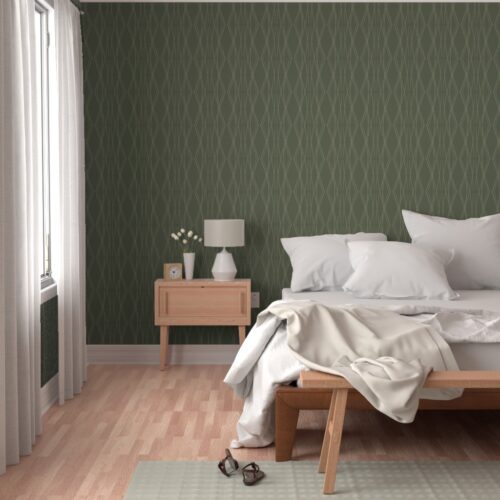
Pine Needle Memory is a quiet, structural pattern developed from a rainy morning walk at Graham Creek in southern Alabama. The design is based on observing how long pine needles naturally align and settle on wet sand. The final repeat uses reflection and spacing to create a calm, open pattern intended to sit comfortably on a wall rather than stand out. The wallpaper is available through Spoonflower: https://www.spoonflower.com/en/fabric/21201783
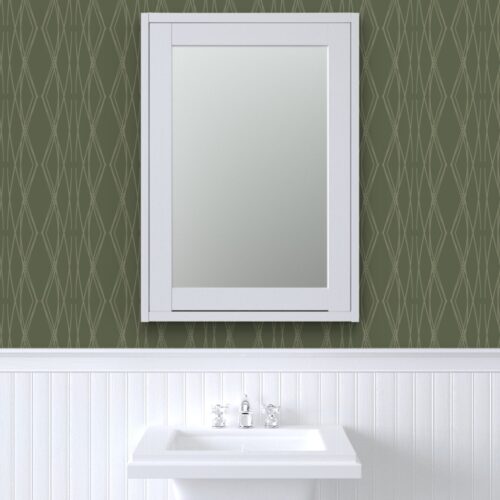
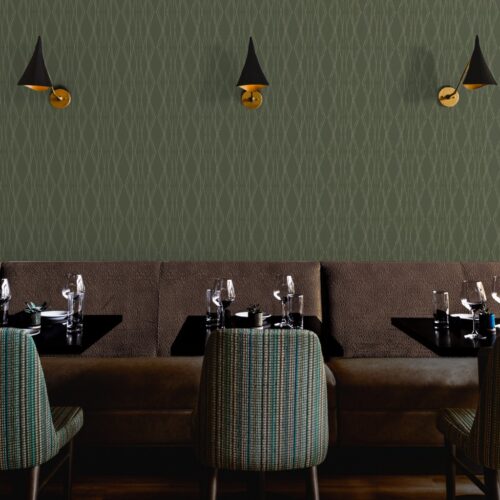
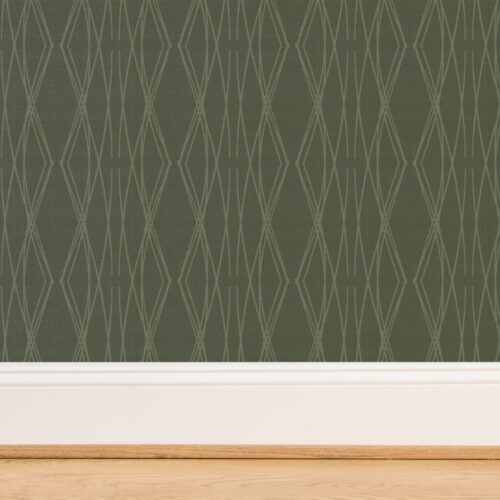
The gallery below shows the pattern applied to Spoonflower products, with an emphasis on wallpaper. Seeing it at room scale helped confirm the quiet, ground-based feeling I was aiming for.
Conclusion
This pattern is part of the larger 100 Pattern Project, which is built around daily walks and simple observation. Each day begins with an artifact from the walk—in this case, a pine needle picked up after rain at Graham Creek. Starting with a specific, ordinary object helps keep the work grounded and manageable. The goal isn’t to invent ideas, but to pay attention to what’s already there and translate it into a pattern that can live in an interior space.